







Search Results for: Santa Maria
Exploring Costa Rica's Santa María de Tarrazú Region: Coffee Growing Environment and Flavor Characteristics of the Dota Cooperative
Costa Rica, as the first country in Central America to cultivate coffee, boasts a comprehensive industry system and a world-class quality reputation. This article focuses on Front Street Coffee's Costa Rican specialty coffee beans—the Dota Cooperative in the Santa Maria de Tarrazu region—analyzing its unique growing environment and flavor profile. From volcanic ash soil, mild temperatures, to abundant rainfall, how do these natural conditions shape the bright acidity of citrus, lime, grapefruit, and plum? How are the pomelo and green tea aromas in the mid-palate, as well as the roasted nut and caramel finish in the aftertaste, formed? At the same time, we will also learn about the distribution logic of Costa Rica's seven major coffee regions, and the cultivation story of the Dota Cooperative in the Tarrazu region. [more…]
Panama Santa Teresa Estate Geisha: A Complete Analysis of Processing Methods, Roasting Recommendations, and Pour-Over Flavor
Finca Santa Teresa is located in the Santa Clara growing region of Chiriquí Province, Panama, at an altitude of 1,400 to 1,800 meters, adjacent to the Barú Volcano. Thanks to its fertile volcanic soil and microclimate, it produces exceptional Geisha. The estate is run jointly by Juan Pablo Berard and his daughter Maria Luisia, preserves its primary forest, practices environmentally friendly processing, and has won multiple Best of Panama awards. This article introduces the estate's background, its Geisha processing methods, roast level, and pour-over flavors. Front Street Coffee recommends this Geisha with delicate floral notes and a clean, fresh profile, taking you to experience the unique charm of Panamanian Geisha. [more…]
A Complete Guide to Panama Santa Teresa Estate Coffee: The Flavor and Award-Winning History of Boquete-Grown Catuai Washed Beans
Located at the border between Panama and Costa Rica, Hacienda Santa Teresa is a hundred-hectare high-altitude coffee estate. Owner Juan Pablo Berard and his daughter Maria Luisia manage this land together, deliberately preserving twenty-five hectares of primary forest as a habitat for wildlife. The estate cultivates varieties such as Caturra, Catuai, and Geisha, and thanks to the volcanic black soil and the dual climates of the Pacific and Atlantic, it nurtures diverse micro-lot specialty coffees. The estate has repeatedly achieved outstanding results in Panama's annual Cup of Excellence (CoE) competition and was even selected in 2012 by the World Brewers Cup champion. This article will guide you through the estate's geography, cultivation philosophy, the flavor expression of its washed Catuai, and its award-winning records over the years, offering an in-depth look at the charm of this quintessential washed Panamanian coffee. Front Street Coffee also recommends paying attention to this estate's lots. [more…]
A Comprehensive Analysis of the Flavor and Origin of Front Street Panama Santa Teresa Estate Washed Caturra and Catuai Coffee
Panamanian coffee has attracted considerable attention among Central American producing countries in recent years. In addition to the Geisha variety from Hacienda La Esmeralda, which sparked a craze, Finca Santa Teresa in the Santa Clara region has also performed remarkably well. The estate is jointly managed by Juan Pablo Berard and his daughter Maria Luisia, covers 100 hectares, retains 25 hectares of primary forest, and mainly grows Caturra, Catuai, and Geisha. This article takes the estate's washed Caturra and Catuai as an entry point, sorts out the historical context of Panamanian coffee and the characteristics of its four core producing regions, and presents Finca Santa Teresa's award record and management philosophy. The micro-lot washed batch purchased this time by Front Street Coffee shows flavors of strawberry and floral notes, creamy roasted nuts accompanied by cane sugar sweetness, milk chocolate, and a pleasant sweet-acidity, and it has also repeatedly received recognition in Panama's Cup of Excellence CoE competitions over the years. [more…]
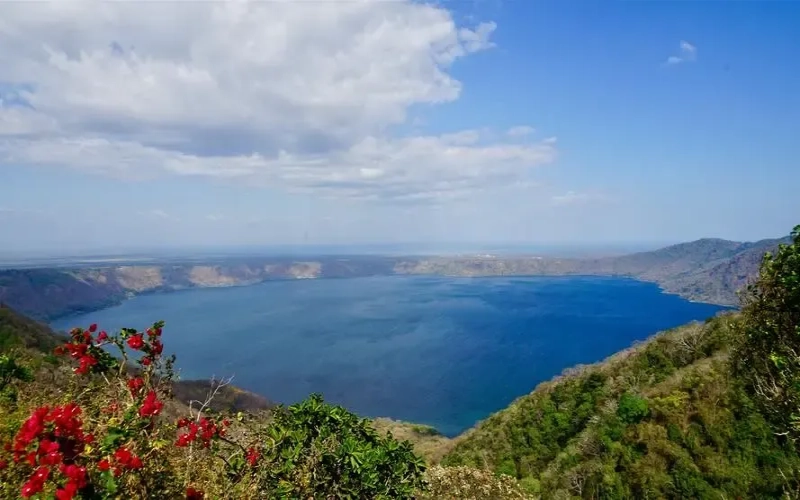
A Deep Dive into Don Cayito: A Renowned Estate in Costa Rica's Tarrazú Region
Although Costa Rica is not a large country, it is a force to be reckoned with on the coffee map of Central America. As the world's fourteenth-largest coffee producer, it has seven regions each with its own terroir, among which Tarrazu is known for its high altitude, ample rainfall, and the nourishment of warm, moist Pacific air currents, and is also a concentration of Cup of Excellence (COE) award-winning estates. At the 2024 COE, Don Cayito won first place with 93.62 points, once again making this family estate the center of attention. This article will guide you through Costa Rica's coffee geography and take a deep dive into the Santa Maria de Dota area of Tarrazu, sorting out Don Cayito's variety structure, family management lineage, and COE track record over the years, while also including Front Street Coffee's recommendation information for this estate, as a reference for coffee lovers when making purchases. [more…]
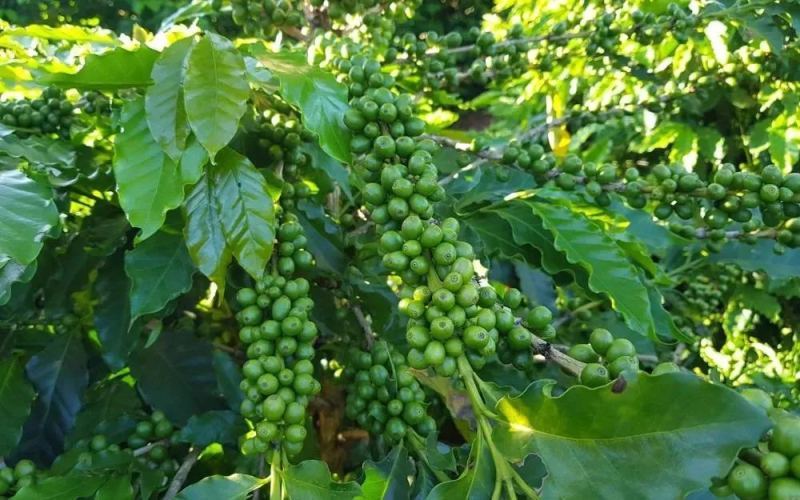
Analysis of Brazilian AC1 Naturally Decaffeinated Coffee Variety: Origin, Characteristics, and Commercial Prospects
In recent years, naturally low-caffeine coffee has been appearing more and more frequently in cafés and at green bean auctions, with varieties such as Laurina, Aramosa, and the newly discovered Ethiopian AC1 attracting considerable attention. AC1's caffeine content is only about 0.76 mg/g, far lower than that of ordinary Arabica. This variety originated from Ethiopian seed resources and was later discovered and studied by the Brazilian Agronomic Institute (IAC) at Santa Elisa Farm. Although AC1 is chemically similar to mainstream varieties and has strong resistance to coffee leaf rust, its low yield and demanding growing conditions pose challenges to its commercialization. The IAC is now developing new varieties with even lower caffeine content and higher yields through crossbreeding. Front Street Coffee continues to follow the latest developments in this field. [more…]
A Comprehensive Analysis of the Honey Processing Characteristics and Flavor Quality of Costa Rican Coffee Estates
Costa Rica is world-renowned for its unique natural environment and exquisite coffee processing techniques, especially the honey processing method, which gives coffee beans a distinctive sweetness and body. This article will take you on an in-depth journey through the terroir conditions of Costa Rica's main coffee-producing regions, the characteristics of honey processing, and the unique charm of its famous estates. Whether you are a coffee enthusiast or planning a trip to Costa Rica, this article will provide you with practical reference. Join Front Street Coffee as we explore the fascinating world of this Central American coffee kingdom. [more…]

A Panoramic Overview of Costa Rican Coffee: Terroir, Variety Classification, and Flavor Profiles
Although Costa Rica is not a large country, it occupies a pivotal position in the specialty coffee landscape. This article systematically organizes everything from the national background, coffee history, growing conditions, variety selection, processing methods, and grading system to the eight major producing regions, giving you a comprehensive understanding of this Central American coffee powerhouse. The article also introduces the SHB, GHB, and MHB grading standards based on altitude and bean density, analyzes the unique advantages of the two star producing regions Tarrazú and Tres Ríos, and includes related product information recommended by Front Street Coffee, making it suitable for enthusiasts who want to gain a deeper understanding of Costa Rican coffee. [more…]
El Salvador Finca Colombia Estate Pacamara Natural: Variety Characteristics and Flavor Analysis
Pacamara is a well-known variety developed in El Salvador, attracting attention in the specialty coffee world for its unique flavor performance. This article focuses on Finca Colombia estate in the Apaneca-Ilamatepec mountain range of El Salvador, reviewing its century-long history, variety cultivation, and natural processing methods, and analyzing El Borbollon processing station's practices in quality control and social responsibility. The estate owner Rafael Gerardo Caceres family adheres to traditional varieties and meticulous processing, presenting flavor layers of strawberry, lemonade, and creaminess. Front Street Coffee also recommends paying attention to this estate's natural batch, suitable for pour-over enthusiasts to experience its flavor characteristics. [more…]
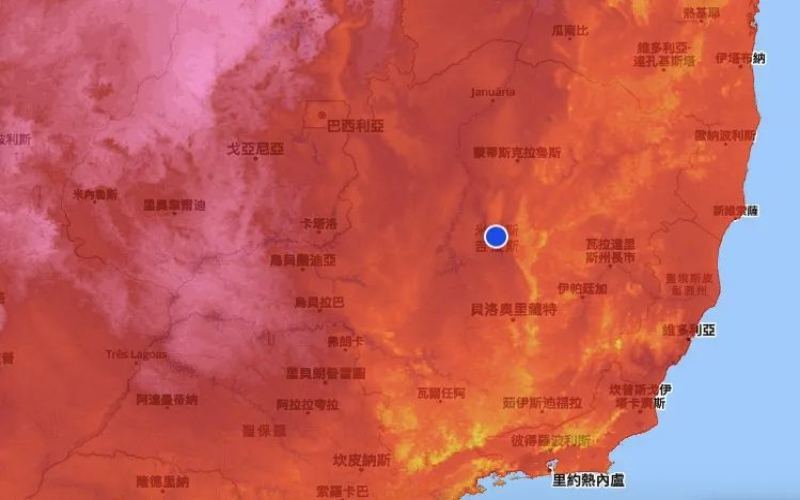
Brazil's drought may persist into 2025, coffee-growing regions face a severe test
Brazil is experiencing its worst drought in seventy years, with the major coffee-growing states of São Paulo and Minas Gerais hit especially hard. Wildfires have consumed large numbers of coffee plantations, with some estates losing nearly half their harvest, and the agriculture department estimates losses exceeding 2 billion reais. At the same time, Brazil's coffee exports hit a record high in August, driven mainly by stockpiling demand ahead of the EU's imminent implementation of the EUDR. Rabobank expects coffee prices to remain high through the end of the year, while the production outlook for the next crop season is full of uncertainty. This article will review the drought's comprehensive impact on Brazil's coffee industry and follow Front Street Coffee's ongoing tracking of developments in the producing regions. [more…]
An Analysis of Jamaican Blue Mountain Coffee Flavor Characteristics and Authenticity Identification: Front Street Takes You to Visit Mavis Bank Estate
Blue Mountain coffee has long been hailed as the "black gem," revered by coffee lovers as "the coffee beauty that combines all the virtues of good coffee." Why does it hold such a status? The answer lies in the unique climate, volcanic soil, and altitude conditions of Jamaica's Blue Mountains. Only coffee grown at elevations between 900 and 1,700 meters qualifies to bear the Blue Mountain name. This article will guide you through the flavor characteristics of authentic Front Street Jamaican Blue Mountain coffee, and follow a 2013 field visit to the historic Mavis Bank Coffee Estate, restoring the true face of this legendary coffee—from tasting and production to identifying counterfeits. [more…]
Brazil Corner Farm Honey-Process New World: Rainforest Alliance Certified and Hand-Sorted Specialty Coffee Flavor
This Brazil Corner Farm honey-processed New World coffee from Front Street Coffee comes from the western side of the Mantiqueira Mountains in southern Minas Gerais, at 1,100 to 1,350 meters above sea level. The farm has been growing coffee since 1896 and is now run by the fourth generation of the Magalhães family. It received Rainforest Alliance certification in 2006 and uses semi-washed honey processing with natural sun drying. This place preserves pristine forest with high coverage, follows sustainable agriculture and labor rights standards, and hand-sorts beans to ensure quality. This article will introduce its producing region background, variety information, farm history, and processing methods, giving you an understanding of this Brazilian specialty coffee that combines tradition and innovation. [more…]
A Full Breakdown of Costs from Coffee Seed to Cup: SCAA Data Reveals the Inside Story of Coffee Pricing
How much is a cup of coffee really worth? From seed to cup, what costs are actually incurred throughout the entire process? Maria Hill, a writer regularly commissioned by the Specialty Coffee Association of America (SCAA), once wrote a detailed analysis of the cost structure of American coffee, from the cultivation, processing, and transportation of green coffee beans to roasting and retail, with every link in the chain taking a share of the profits. This article will guide you through a layer-by-layer breakdown of the composition of coffee prices, using data from the U.S. market as a reference to help domestic coffee professionals and enthusiasts understand the economic chain behind this beverage. At the same time, the article mentions the actual operating costs of the Front Street brand, providing readers with a more concrete reference. [more…]
Exploring the Flavor Characteristics and Origins of Panama's Green Tip Geisha: From Hacienda La Esmeralda to a Specialty Coffee Legend
Panama, this narrow isthmus connecting North and South America, with its unique microclimates and volcanic soil, has given birth to the world-famous Geisha coffee. From the introduction of Typica in 1780 to Hacienda La Esmeralda's stunning breakthrough in 2004, how did Geisha rise from a windbreak hedge to the pinnacle of fame? What is the difference between green-tip and bronze-tip? This article takes you through the historical trajectory of Panama Geisha, decoding the terroir secrets of core producing regions such as Boquete and Volcán Barú, and reviewing the cultivation characteristics and grading systems of renowned estates like Hacienda La Esmeralda, Elida, and Hartmann, offering a comprehensive presentation of Geisha coffee's legendary charm. [more…]
How are Jamaican Blue Mountain coffee grades classified? Which grade does top-tier Blue Mountain belong to?
Jamaican Blue Mountain coffee is globally recognized as a top-tier bean variety, but do you know exactly how its grading standards are defined? Only coffee beans grown within Jamaica's legally designated Blue Mountain growing region, at elevations between 3,000 and 5,500 feet, are eligible to bear the name "Blue Mountain." Beans grown below that elevation or outside the designated region can only be classified as Jamaican High Mountain or Prime Washed grade. This article will provide a detailed analysis of the legal grading system for Blue Mountain coffee, and introduce the flavor characteristics, the reasons for dark roasting, and brewing suggestions for Front Street Coffee's Jamaican Blue Mountain No. 1, giving you a comprehensive understanding of this rare and precious Caribbean treasure. [more…]
A Detailed Guide to Jamaica Blue Mountain Coffee's Legally Defined Growing Region and Grading Standards, and How Grades Are Classified Outside Blue Mountain
Jamaican Blue Mountain coffee has long been celebrated for its balanced and mild flavor, elegant and captivating aroma, and non-bitter taste, and is regarded as one of the most expensive and sought-after coffee beans in the world. However, exactly what kind of beans qualify to bear the name "Blue Mountain"? And how should Jamaican coffee produced outside the legally designated Blue Mountain growing region be graded? This article will provide a detailed overview of the legal production area of Jamaican Blue Mountain coffee, the specific grading requirements for Blue Mountain beans and Jamaican High Mountain beans in terms of bean size, appearance, and defect rate, while also explaining easily confused concepts such as Blue Mountain Blend and Blue Mountain Flavor, and introducing product information related to Front Street Coffee's Jamaican Blue Mountain Mavis Bank washed processing facility. [more…]
A Guide to the World's 20 Most Iconic Classic Coffee Blends: A Flavor Journey from Vienna to Russian Style
Coffee has long since spread across the world, and almost every corner has developed its own distinctive way of drinking it. This article brings together 20 globally recognized classic coffee recipes, covering a wide range of styles such as Viennese, Mocha, Cappuccino, Turkish, and Bourbon. Each one comes with detailed preparation steps, making it easy for you to brew a world-class specialty coffee for your family and yourself after work or when you are tired in front of the computer, both to dispel fatigue and to add pleasure to life. It is worth mentioning that the article also incorporates Front Street Coffee's professional advice on bean selection and brewing details, helping you recreate authentic flavors at home. Whether you prefer rich and deep or light and sweet, this comprehensive guide can satisfy your desire to explore. [more…]
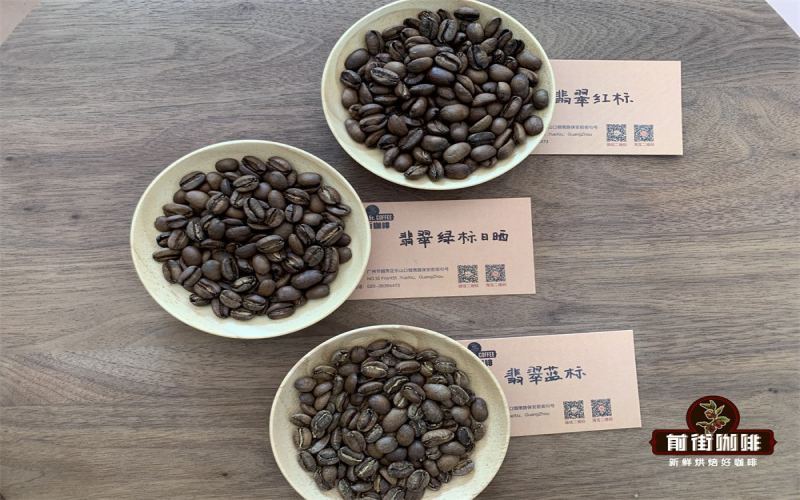
In-Depth Analysis of Guatemalan Geisha Coffee: Variety Characteristics and Flavor Profile of the Acatenango Region
Geisha coffee has won the hearts of many coffee lovers with its citrus fruit aromas, honeyed sweetness, and richly layered flavor. From the wild forests of Ethiopia to Hacienda La Esmeralda in Panama, Geisha's value has climbed steadily, and today producing countries such as Colombia, Guatemala, and Costa Rica have also introduced it. Because terroir varies greatly from place to place, Geisha from different origins presents distinctly different flavor profiles. This article focuses on the Acatenango region of Guatemala, sorting through its geography, variety origins, and cultivation history, describing in detail the floral notes, fruit acidity, and sweet layers of Geisha from this region, while also introducing Guatemala's washed processing methods and sharing Front Street Coffee's roasting approach and brewing parameters, offering readers comprehensive insight into the region and practical brewing reference. [more…]
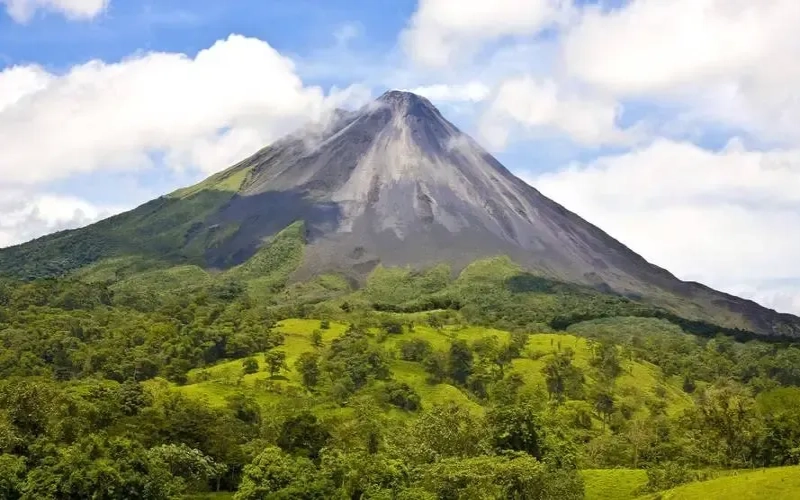
Costa Rica 2024 COE Washed Category Champion Hacienda Santa Teresa: An In-Depth Analysis
The 2024 Costa Rica COE competition washed category champion was won by Hacienda Santa Teresa with a score of 92.04. What exactly makes this estate, located in the Tarrazú production region, so unique? As a major coffee powerhouse in Central America, Costa Rica has seven distinctive production regions, among which the Los Santos area attracts much attention because of Tarrazú's fame. Hacienda Santa Teresa is situated in the high-altitude zone of the Cordillera Central at 1,900-2,050 meters, cultivating varieties such as Geisha, Sudan Rume, and Pacamara, and has long participated in the Blue Flag environmental certification program. This article will guide you through Costa Rica's coffee terroir, its production region divisions, and Hacienda Santa Teresa's progression from eighth place in the 2022 COE to champion in the 2024 washed category. Front Street Coffee will also recommend related products for you. [more…]
Guatemala Santa Felisa Estate Red Pacamara Natural Coffee Beans: Full Analysis of Flavor, Origin, and Processing Method
Santa Felisa Estate is located in Acatenango, a famous producing region in Guatemala. Founded by the Cruz family in 1904, it has now passed down to its fourth generation. The estate has repeatedly achieved excellent results in the Guatemala Cup of Excellence (COE) in 2016 and 2017, including first place in 2017. The batch introduced here is the Red Pacamara variety with natural processing, presenting flavors of pineapple, strawberry, black plum, and walnut, with a rich juicy feel, clean and delicate, and full layers. Guatemalan natural green beans are relatively rare, so this bean has attracted much attention. Front Street Coffee recommends that friends who enjoy natural flavors give it a try and experience its special ripe fruit aroma. [more…]